
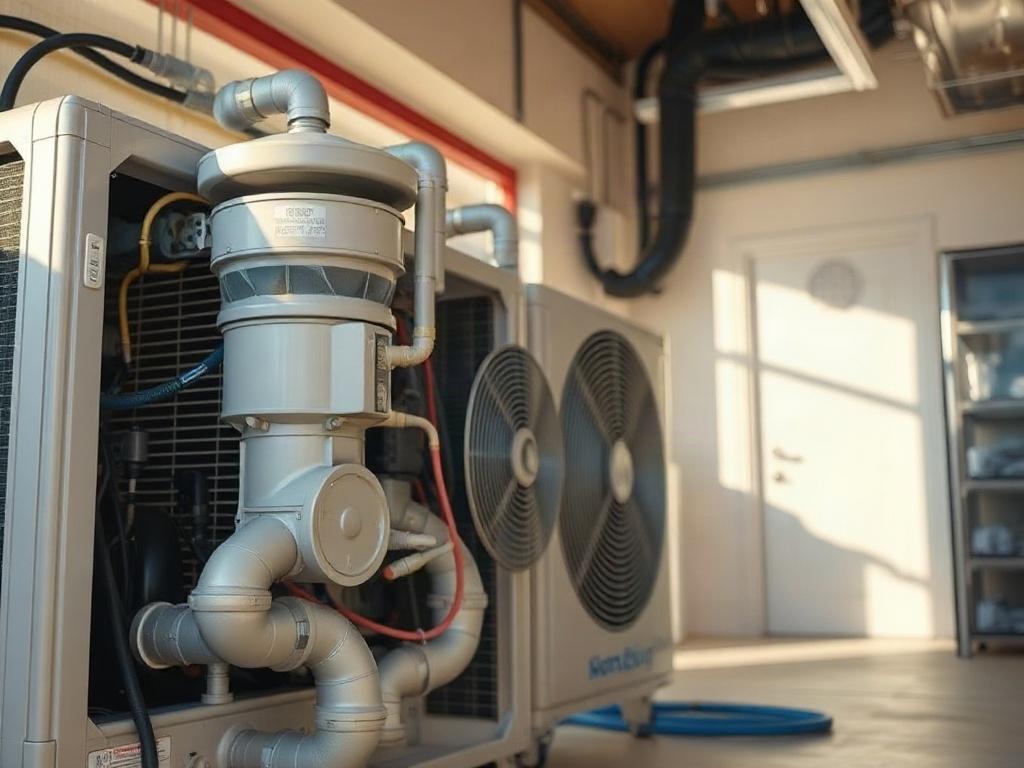
In today's fast-paced world, understanding residential HVAC systems is crucial for maintaining a comfortable living environment. A comprehensive look at residential HVAC systems reveals their vital role in regulating indoor temperatures and ensuring optimal air quality. With the right heating, ventilation, and air conditioning setup, homeowners can enjoy year-round comfort while also managing energy costs effectively. This blog post will guide you through the essential aspects of HVAC systems, helping you appreciate their importance in modern homes.
As we delve deeper, we will explore the key components of residential HVAC systems that every homeowner should be familiar with. From furnaces and air conditioners to ducts and thermostats, these parts work together to create a seamless climate control experience. Additionally, we will discuss the significant benefits of regular HVAC maintenance, emphasizing how it contributes to a healthier home environment and prolongs the lifespan of your system. Join us as we uncover the intricacies of residential HVAC systems and empower yourself with the knowledge to optimize your home comfort.
The essential role of residential HVAC systems in modern living
Residential HVAC systems play a crucial role in maintaining indoor comfort and air quality throughout the year. These systems regulate temperature and humidity, ensuring that homes remain cozy during chilly winters and refreshingly cool in summer. Additionally, HVAC systems contribute to good air quality by filtering out pollutants and allergens, which is particularly important for families with children, elderly members, or anyone with respiratory conditions. Understanding the significance of these systems helps homeowners appreciate their investment and the impact they have on daily life.
In today’s fast-paced world, the importance of an efficient HVAC system extends beyond just comfort. Energy-efficient HVAC systems can significantly reduce utility bills, making them a smart choice for both environmentally-conscious homeowners and those looking to save on expenses. Furthermore, as energy costs continue to rise, a well-functioning HVAC system can resist common problems that lead to increased energy consumption. By investing in regular maintenance and opting for high-quality units, homeowners can ensure their living spaces remain comfortable while also promoting sustainability and reducing their carbon footprint.
Key components of residential HVAC systems: What you need to know
Understanding the key components of residential HVAC systems is crucial for homeowners. These systems typically consist of four main elements: heating, ventilation, air conditioning, and controls. The heating component can be a furnace or heat pump, responsible for keeping your home warm during colder months. The air conditioning part cools your home in the summer, ensuring comfort even during the hottest days. Ventilation plays a vital role in circulating fresh air and removing stale air, while controls manage the entire system, allowing you to set desired temperatures and improve energy efficiency.
In addition to these core components, various accessories can enhance your HVAC system’s performance. For example, air filters improve indoor air quality by trapping dust, allergens, and other particulates. Ductwork distributes heated or cooled air throughout your home and can significantly impact system efficiency. Thermostats, whether programmable or smart, allow homeowners to optimize their HVAC usage, leading to energy savings and enhanced comfort. By familiarizing yourself with these components, you can make informed decisions regarding maintenance, upgrades, and troubleshooting, ultimately ensuring your HVAC system operates effectively.
Benefits of maintaining your HVAC system for a comfortable home environment
Regular maintenance of your HVAC system plays a crucial role in ensuring a comfortable living space. By scheduling routine inspections and servicing, homeowners can identify potential issues before they escalate into costly repairs. A well-maintained system operates more efficiently, which translates to lower energy bills. When filters are clean and components are functioning correctly, the HVAC unit does not have to work overtime, ultimately providing consistent heating and cooling throughout your home. This efficiency enhances the indoor air quality, making your home a healthier environment for you and your family.
Aside from financial benefits, a properly maintained HVAC system significantly elevates your comfort levels year-round. You can expect reliable temperature regulation, reducing the likelihood of sudden breakdowns during extreme weather conditions. Simple tasks like checking and replacing filters or cleaning ducts can dramatically impact performance. Furthermore, taking the time to invest in your HVAC system reflects a commitment to long-term home durability. By prioritizing maintenance, you not only improve your immediate living conditions but also extend the lifespan of the system, giving you peace of mind and a cozy home for years to come.